Reader Response
Goodreads: The overall rating to Beloved on Goodreads was a 3.76, and had more good reviews then bad ones. Most of the good reviews said it was a great book to read, "Beloved was a great American horror novel. I got chills, physical chills-over and over while reading this book. It has the scary element to it" (Jessica 1). People that rated this book recommended it to anyone with 'human' emotions, if you have broken hearts that are in search of mending, and it make's a good mother's day gift. The few that gave it a bad review said they hated the book, they thought the characters like Beloved were annoying and confusing. People started to read half way through the book, and then stop reading and give up because they didn't like it to continue.
Barnes and Noble: The overall rating to Beloved on Barnes and Noble was a 4, a better rating then Goodreads. Again, had more good reviews then bad ones. Reviewers on Barnes and Noble said "It was like nothing I've ever read before"(Anonymous 1). I also seen another person talk about the idea of Toni Morrison's haunting novel, like on Goodreads someone thought it was a great American horror novel. Beloved was an amazing book and a must read. Some readers said they went into the book with a bad attitude and got half way through the book with a totally different mind and really got into it and loved the rest of the book. Another said it was the "most moving,soulful story of the slavery experience I have ever read"(Anonymous 1). There were also a few bad reviewers but only like two or three. They said they had a "hard time with the book, it was confusing and annoying, and you had to reread some parts and try to absorb what they were saying to better understand" (Karatepen 1). Which was also similar to Goodreads in the bad reviews on Beloved.
Amazon: The overall rating to Beloved on Amazon was a 3.9. About the same as Barnes and Noble. Amazon had more good reviews then bad ones. The good reviewers said Beloved it truly a great book, a must read, and hard to put it down. "The story is not one of suffering, but one of persevering through the insufferable" (Bennet 1). A few others said Beloved was a beautiful poetic Novel. Shows great emotions in the characters and such real feelings. Also connected to what people said in Goodreads and Barnes and Noble that idea of a classic, haunting story about slavery. The only bad reviews I saw said it was sometimes hard to read and understand and could be a complex novel at times. Which I also saw in the Goodreads and Barnes and Noble.
Positive reviews: I totally agree with the good reviewers comments. Beloved is a great book and a great read. It does show true feelings through the characters and has that haunting story because of the death of Baby Suggs and her haunting the past traumas.
Negative reviews: I also agree with some of the negative reviewers comments. Beloved at first when I started to read it was kind of boring, and I didn't know what to expect from the beginning. At parts of the book it was confusing and difficult to pick out where the characters were, or what they were talking about. But I tried to read the book out loud to better hear and get more of a feeling what was going on. But I disagree with the reviewers that said it was an awful book, and that no one should bother to pick it up and read it. The characters were not annoying at all, I think all the characters have there own special place in the book that is unique and fits them right. Everyone has there own opinions, but I think the people that started reading the Novel Beloved that quit in the middle and gave up, should go back and finish the book because it gets better after the beginning.
Sources:
Bennet, James S. "Beloved." Amazon. N.p., 8 June 2004. Web. 14 Apr. 2017. <https://www.amazon.com/Beloved-Toni-Morrison/dp/1400033411/ref=sr_1_1?ie=UTF8&qid=1492221938&sr=8-1&keywords=beloved>.
Jessica. "Beloved." Goodreads. N.p., 26 Jan. 2009. Web. 14 Apr. 2017. <https://www.goodreads.com/book/show/6149.Beloved?from_search=true>.
Karatapen, and Anonymous. "Beloved." Barnes & Noble. N.p., 8 June 2004. Web. 14 Apr. 2017. <http://www.barnesandnoble.com/w/beloved-toni-morrison/1001875673?ean=9781400033416>.
Friday, April 14, 2017

Critical Commentary
Article: Approaching the Thing of Slavery: A Lacanian Analysis of Toni Morrison's Beloved.
By:Sheldon George
The main point of this article is based on the characters past experiences of suffering.The life of Sethe and what she had gone through in her past, and the ghost that still haunts her. When Sethe talks about "Sweet Home as a place from her past that is "still there," not just in her "memory," but "out there outside [her] head". Speaking of her traumatic enslavement at Sweet Home, Sethe asserts, "even though it's over—and done for—it's going to always be there waiting," because "that place is real"(George 1). That is an example of how Sethe's memories from her past seem to be gone to her, but in reality will never leave her, "that things just stay (George 1). Which is also the case for other characters and what they went through. Baby Suggs was killed by her own mother, she will obviously have that trauma the rest of her life that she wants gone from her mind but will always be there with her. Paul D and what he went through in Sweet Home, finding about what Sethe had done. There is a lot of traumas that these characters went through which is what this article is greatly expressing. The writer Sheldon George also talks about the idea of repetition in Beloved. The "repetition plays in the lives of both it's African American characters and many of the members of it's contemporary African American Audience" (George 1). The repetition of the novel's African American characters and what identity they have. The characters used in Beloved like Sethe, have some real life character that they are based off of. Sheldon George also states that "Beloved, intended to the reader to feel and experience " what was happening (7). Reading this article helped me better understand the idea of the "ghost". How baby suggs is haunting Sethe's past and that a lot of the African American Slaves have also experienced haunting's in there lives because of the trauma they all went through dealing with slavery. This interpretation helped me better understand why Sethe acts the way she does. Why Denver thinks her mother is crazy, and why Baby Suggs is haunting her family member's and where she grew up at 124. I agree with the Author's interpretation. From all our in class discussions, I feel what he had to say was very accurate. The haunting's Sethe dealt with, the idea about trauma and racial identity's is seen throughout the whole book. Reading the book, we do get that "feel and experience" what is happening in the scenes.
Source:
George, Sheldon. "Approaching the Thing of Slavery: A Lacanian Analysis of Toni Morrison's Beloved." MLA International Bibliography (EBSCO Host). N.p., 1 Mar. 2012. Web. 14 Apr. 2017. <http://web.b.ebscohost.com.ezproxy.uwc.edu/ehost/pdfviewer/pdfviewer?sid=758824ad-3511-4376-bd54-0c8e85356909%40sessionmgr101&vid=8&hid=102>.
Article: Approaching the Thing of Slavery: A Lacanian Analysis of Toni Morrison's Beloved.
By:Sheldon George
The main point of this article is based on the characters past experiences of suffering.The life of Sethe and what she had gone through in her past, and the ghost that still haunts her. When Sethe talks about "Sweet Home as a place from her past that is "still there," not just in her "memory," but "out there outside [her] head". Speaking of her traumatic enslavement at Sweet Home, Sethe asserts, "even though it's over—and done for—it's going to always be there waiting," because "that place is real"(George 1). That is an example of how Sethe's memories from her past seem to be gone to her, but in reality will never leave her, "that things just stay (George 1). Which is also the case for other characters and what they went through. Baby Suggs was killed by her own mother, she will obviously have that trauma the rest of her life that she wants gone from her mind but will always be there with her. Paul D and what he went through in Sweet Home, finding about what Sethe had done. There is a lot of traumas that these characters went through which is what this article is greatly expressing. The writer Sheldon George also talks about the idea of repetition in Beloved. The "repetition plays in the lives of both it's African American characters and many of the members of it's contemporary African American Audience" (George 1). The repetition of the novel's African American characters and what identity they have. The characters used in Beloved like Sethe, have some real life character that they are based off of. Sheldon George also states that "Beloved, intended to the reader to feel and experience " what was happening (7). Reading this article helped me better understand the idea of the "ghost". How baby suggs is haunting Sethe's past and that a lot of the African American Slaves have also experienced haunting's in there lives because of the trauma they all went through dealing with slavery. This interpretation helped me better understand why Sethe acts the way she does. Why Denver thinks her mother is crazy, and why Baby Suggs is haunting her family member's and where she grew up at 124. I agree with the Author's interpretation. From all our in class discussions, I feel what he had to say was very accurate. The haunting's Sethe dealt with, the idea about trauma and racial identity's is seen throughout the whole book. Reading the book, we do get that "feel and experience" what is happening in the scenes.
Source:
George, Sheldon. "Approaching the Thing of Slavery: A Lacanian Analysis of Toni Morrison's Beloved." MLA International Bibliography (EBSCO Host). N.p., 1 Mar. 2012. Web. 14 Apr. 2017. <http://web.b.ebscohost.com.ezproxy.uwc.edu/ehost/pdfviewer/pdfviewer?sid=758824ad-3511-4376-bd54-0c8e85356909%40sessionmgr101&vid=8&hid=102>.
Race and the American Novel: Beloved
Beloved By:Toni Morrison
My theme related to the literary depiction of racial issues that I want to explore is,
Dehumanization: to treat someone as though he or she is not a human being.

Thursday, March 23, 2017
Thursday March 23rd Genre Blog:
Lady Lazarus By Sylvia Plath
Lady Lazarus throughout shows the theme of Suffering.
In Lady Lazarus, the person in the poem has a lot of emotional connection with the author Sylvia Plath. The way she expresses the poem and the word choice she uses forms an idea that she is very unhappy and is suffering.
I have done it again.
One year in every ten
I manage it-
(Plath 1418)
Nevertheless, I am the same, identical woman.
The first time it happened I was ten.
It was an accident.
(Plath 1419)
For the eyeing of my scars, there is a charge
For the hearing of my heart-
It really goes.
(Plath 1420)
These quotes grab my attention and shows that the "Lady Lazarus" that she is describing is not happy and suffering in many ways.
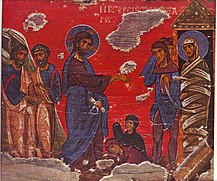
In class we discussed the idea of what Lady Lazarus means. That it is a strong religious symbol, dealing with "Jesus restoring him to life four days after his death" and "to a cat with nine lives" (Plath 1419) . Christ and "the most irresistible enemy of humanity-death" which we see a lot of in this poem.
We had a classmate present the Literary Context presentation on Confessional Poetry which we learned a lot about the author Sylvia Plath and her rough past. Her father's death at the young age of eight years old. Had a big impact on Plath. Then soon after, while she was in college she attempted suicide by taking sleeping pills. Later on then she got married and had a child, but soon found out her husband was cheating on her and the marriage broke apart. She then, had the responsibility to take care of her children alone, and with little money. She then did not have much time to write her poems and stories but try to squeeze them into her schedule raising her children. Killing herself with cooking gas at the age of 30, what a sad life she had to suffer dealing with. Things never seemed to get better with her. Which gave the poems more emotion and a powerful control about death in her works. Like we see here in Lady Lazarus. The theme of Suffering connects to The Yellow Wallpaper as well, and one of the character is suffering from depression. She is trapped in her house, with a husband that doesn't seem to care much about her instead he cares more about being above her. Both connect to having poor husbands that treated the woman poorly, and they suffered because of it.
Other quotes that show suffering in the poem
Dying
Is an art, like everything else.
I do it exceptionally well.
(Plath 1419)
I do it so it feels like hell.
I do it so it feels real.
I guess you could say I've a call.
(Plath 1419)
When I read these quotes, I feel like she is depressed and crying out for help. She wants people to know what she is going through, and what she has gone through her whole life. Her pain and her suffering. The way she writes her lines in her poems are very short, and simple. There is also some repetition in the way she starts some of her lines. Which I think it gives more feeling, and makes us readers connect more to her to feel what she was really going through. The word choice was descriptive like "Ash, ash you poke and stir.Flesh,bone, there is nothing there" (Plath 1420). It gives you a detailed picture of the place of life she was in. The author Sylvia Plath wants to mock her own experience in this poem. We see that the author connects parts of the poem with the Holocaust.
A sort of walking miracle, my skin
Bright as a Nazi lampshade,
My right foot
(Plath 1418)
A paperweight,
My face a featureless, fine
Jew linen.
(Plath 1418)
I get the idea that she makes the unknown person in the poem into a Jew, in a concentration camp. That her life was horrible, just like the Jews life was like in the concentration camp. The horrors of the concentration camp are like the horrors she had in her life. That she was burned by her father's death, and burned by her husband cheating on her. Then she was left to survive on her own with little money in the cold winter time. She suffered like the Jew's suffered in the concentration camp. Which is why I think she connects to those ideas. I feel bad for the way her life was lived. I am curious if any of her other poems suggest the idea that she was suffering for many years of her life. Maybe it was better that she could go to another place where she was much more happy where she isn't suffering anymore? I wonder how her children dealt with the things there mother dealt with and her death. Lady Lazarus was a great poem to read, but a rather odd and interesting poem to read.
http://www.sylviaplath.de/ for information about Sylvia Plath.
Monday, March 20, 2017
Tuesday March 21st Genre Blog:
Streetcar Named Desire
The theme that I choose was how Masculinity was a huge part throughout the drama.
Stanley "Since when do you give me orders"
Stella "Are you going to stay here and insult her?"
Stanley "You're Damn tootin' I'm going to stay here" (1128).
The theme of Masculinity was also seen in the recent pieces of literature we have read. For example in Uncle Tom's Cabin. The men seemed to be a big part of the book that ran the show. They were the ones that took care and dealt with the slaves they owned. They went to the slave trades to pick and sell the slaves. They normally had the voice over the wives. Mr.Shelby owned Tom for some time and had say in whatever Tom did. He was eventually sold off to Mr.Legree. Mr.Legree was a very masculine man. Tom also was a form or masculinity when he later on "defeats" Mr.Legree and tells him that he will no longer work for him, he will no longer obey any of his orders or rules, and he even wanted to free two of Mr.Legree's female slaves he had. St.Clare was masculine as well, as he was a strong slave trader, and had many slaves to be in charge of including Tom. Many of the woman back then had to be in that second place to males especially it was seen in a husband and wife situation. There was also more abuse and sternness with the men towards the woman back during these times. Which showed the idea of masculinity and the power men had.
Another example of masculinity would be in the short piece of literature called The Yellow Wallpaper by Charlotte Perkins Gilman. The man had power over his wife. Ordering her to stay in bed because of her depression. Making it seem as if she was trapped to her bed and couldn't leave. "Since her husband is a doctor, he wins all their arguments" which is a strong sense of masculinity. Just because he is a doctor, means he wins the arguments? That is not fair at all. What if she was a doctor and the husband was in her place, I wonder if he would still win the arguments or if it would be different. The wife also states that she feels uncomfortable in her house, I can see why. From the dominance of her husband and being stuck inside all the time.
Other quotes in the Drama Streetcar Named Desire that dug deeper into why I thought the drama had a theme of masculinity:
Stanley"There is such a thing in this state of Louisiana as the Napoleonic code, according to which whatever belongs to my wife is also mine" (1129).
Stanley"You see, under the Napoleonic code-a man has to take an interest in his wife's affairs-especially now that she's going to have a baby" (1131).
Stanley"You hen's cut out that conversation in there" (1134).
Stanley"Well, you can hear me and I said to hush up!" (1134).
Stanley beats Stella after standing up for Blanche, during the drunk poker night.
These quotes show the masculinity of Stanley towards other characters more specifically Stella and Blanche, and a little of Mitch when they a drinking at the poker night. The men more of Stanley have a great deal of power and say over these woman. He is mean to Blanche, and tries to get rid of her. "She's not stayin' here after Tuesday.You know that, don't you? Just to make sure I bought her a ticket myself" (1158). Stanley is always stern with Stella. He is like a father to her, babying her around and sticking his nose in her business.
The quotes I listed made me have the thought that the author Tennessee Williams was suggesting and trying to prove how difficult it was relationship wise to deal with people back then. Because of the differences men and woman had to each other. Like Stanley, and how he acted as an animal on the loose. Mean, dominant, and a strong characteristic of masculinity. These quotes really show the true Stanley. What I found interesting is how Stella could put up with Stanley. I think his anger, and emotions towards her friend Blanche would of sent me off right away. I also wonder Why does Blanche stay with Stella and Stanley. If I had to live with someone who treated me like Stanley did, I definitely would want to leave. I also get a feel of sexual gratification from Stanley that is rubbed onto Stella. There is a lot of emotions and sexual feelings and my theme of masculinity throughout. The setting of where Stanley, Stella, and Blanche is more ran by Stanley. As in some of the quotes I listed, he would tell people when to hush up and when to cut the conversation and stop talking. The tone of Stanley's voice is strong and powerful. Compared to Stella, and Blanche, there voice is average, quiet, and overpowered many times by Stanley's tone of voice.
I have learned how to critically read and analyze a piece of literature more in depth. Being able to pick a theme and bring evidence,examples,and ideas from other readings that connected to my theme helped my knowledge of the text. It was interesting choosing a theme and finding more by digging deeper with other resources to strengthen the idea I wanted to prove with my theme of masculinity. This made me think that pieces of literature can have many different meanings. They also have deeper issues that we can discover by exploring, and analyzing a text. Streetcar Named Desire was a great piece of literature to read.
Streetcar Named Desire
The theme that I choose was how Masculinity was a huge part throughout the drama.
Stanley "Since when do you give me orders"
Stella "Are you going to stay here and insult her?"
Stanley "You're Damn tootin' I'm going to stay here" (1128).
The theme of Masculinity was also seen in the recent pieces of literature we have read. For example in Uncle Tom's Cabin. The men seemed to be a big part of the book that ran the show. They were the ones that took care and dealt with the slaves they owned. They went to the slave trades to pick and sell the slaves. They normally had the voice over the wives. Mr.Shelby owned Tom for some time and had say in whatever Tom did. He was eventually sold off to Mr.Legree. Mr.Legree was a very masculine man. Tom also was a form or masculinity when he later on "defeats" Mr.Legree and tells him that he will no longer work for him, he will no longer obey any of his orders or rules, and he even wanted to free two of Mr.Legree's female slaves he had. St.Clare was masculine as well, as he was a strong slave trader, and had many slaves to be in charge of including Tom. Many of the woman back then had to be in that second place to males especially it was seen in a husband and wife situation. There was also more abuse and sternness with the men towards the woman back during these times. Which showed the idea of masculinity and the power men had.
Another example of masculinity would be in the short piece of literature called The Yellow Wallpaper by Charlotte Perkins Gilman. The man had power over his wife. Ordering her to stay in bed because of her depression. Making it seem as if she was trapped to her bed and couldn't leave. "Since her husband is a doctor, he wins all their arguments" which is a strong sense of masculinity. Just because he is a doctor, means he wins the arguments? That is not fair at all. What if she was a doctor and the husband was in her place, I wonder if he would still win the arguments or if it would be different. The wife also states that she feels uncomfortable in her house, I can see why. From the dominance of her husband and being stuck inside all the time.
Other quotes in the Drama Streetcar Named Desire that dug deeper into why I thought the drama had a theme of masculinity:
Stanley"There is such a thing in this state of Louisiana as the Napoleonic code, according to which whatever belongs to my wife is also mine" (1129).
Stanley"You see, under the Napoleonic code-a man has to take an interest in his wife's affairs-especially now that she's going to have a baby" (1131).
Stanley"You hen's cut out that conversation in there" (1134).
Stanley"Well, you can hear me and I said to hush up!" (1134).
Stanley beats Stella after standing up for Blanche, during the drunk poker night.
These quotes show the masculinity of Stanley towards other characters more specifically Stella and Blanche, and a little of Mitch when they a drinking at the poker night. The men more of Stanley have a great deal of power and say over these woman. He is mean to Blanche, and tries to get rid of her. "She's not stayin' here after Tuesday.You know that, don't you? Just to make sure I bought her a ticket myself" (1158). Stanley is always stern with Stella. He is like a father to her, babying her around and sticking his nose in her business.
The quotes I listed made me have the thought that the author Tennessee Williams was suggesting and trying to prove how difficult it was relationship wise to deal with people back then. Because of the differences men and woman had to each other. Like Stanley, and how he acted as an animal on the loose. Mean, dominant, and a strong characteristic of masculinity. These quotes really show the true Stanley. What I found interesting is how Stella could put up with Stanley. I think his anger, and emotions towards her friend Blanche would of sent me off right away. I also wonder Why does Blanche stay with Stella and Stanley. If I had to live with someone who treated me like Stanley did, I definitely would want to leave. I also get a feel of sexual gratification from Stanley that is rubbed onto Stella. There is a lot of emotions and sexual feelings and my theme of masculinity throughout. The setting of where Stanley, Stella, and Blanche is more ran by Stanley. As in some of the quotes I listed, he would tell people when to hush up and when to cut the conversation and stop talking. The tone of Stanley's voice is strong and powerful. Compared to Stella, and Blanche, there voice is average, quiet, and overpowered many times by Stanley's tone of voice.
I have learned how to critically read and analyze a piece of literature more in depth. Being able to pick a theme and bring evidence,examples,and ideas from other readings that connected to my theme helped my knowledge of the text. It was interesting choosing a theme and finding more by digging deeper with other resources to strengthen the idea I wanted to prove with my theme of masculinity. This made me think that pieces of literature can have many different meanings. They also have deeper issues that we can discover by exploring, and analyzing a text. Streetcar Named Desire was a great piece of literature to read.
Wednesday, March 8, 2017
Critical Commentary (pages 532-595)
I chose Everybody's Protest Novel by James Baldwin pages 532-539. Baldwin's short essay is criticizing Stowe and the characters in her book Uncle Tom's Cabin. Bladwin says that Uncle Tom's Cabin is an example of a protest novel. A protest novel meaning "a work of fiction in which a prevailing social problem, such as gender,race is dramatized by it's effect on the characters". Like in Uncle Tom's Cabin. Baldwin also points out a few theme's Stowe uses in her novel. Like whites are superior to blacks and a religious theme. Baldwin seems to make the point that Uncle Tom's Cabin is motivated mostly by fear, more than understanding what the slaves were going through in there times. I both agree and disagree with James Baldwin. I think Stowe does have a big focus on the whole feelings of fear, religious but not entirely what the whole novel is about. I really feel it's about what the slaves went through to gain there freedom and what they dealt with with no equality. There was a big theme of religion throughout the novel I agree with that. James Baldwin stated a lot of things that are dehumanizing about Uncle Tom's Cabin. That added to the understanding of it. "The inability to feel;the wet eyes of the sentimentalist betray his aversion to experience, his fear of life, his arid heart;and it is always, therefore, the signal of secret and violent inhumanity, the mask of cruelty, Uncle Tom's Cabin-like it's multitudinous, hard boiled descendants-is a catalog of violence"(Baldwin 533). That statement seems dehumanizing to me. People should not fear there lives. everyone has the ability to feel. Uncle Tom's Cabin does have violence, but I disagree that Stowe was just writing this novel to give a message just about the violence itself like Baldwin makes it seem. Baldwin also states "Uncle Tom's Cabin is a very bad novel" (Baldwin 533). And I also disagree witht that statement, and I'm sure anyone who has read Uncle Tom's Cabin would also disagree with that statement as well.
I chose Everybody's Protest Novel by James Baldwin pages 532-539. Baldwin's short essay is criticizing Stowe and the characters in her book Uncle Tom's Cabin. Bladwin says that Uncle Tom's Cabin is an example of a protest novel. A protest novel meaning "a work of fiction in which a prevailing social problem, such as gender,race is dramatized by it's effect on the characters". Like in Uncle Tom's Cabin. Baldwin also points out a few theme's Stowe uses in her novel. Like whites are superior to blacks and a religious theme. Baldwin seems to make the point that Uncle Tom's Cabin is motivated mostly by fear, more than understanding what the slaves were going through in there times. I both agree and disagree with James Baldwin. I think Stowe does have a big focus on the whole feelings of fear, religious but not entirely what the whole novel is about. I really feel it's about what the slaves went through to gain there freedom and what they dealt with with no equality. There was a big theme of religion throughout the novel I agree with that. James Baldwin stated a lot of things that are dehumanizing about Uncle Tom's Cabin. That added to the understanding of it. "The inability to feel;the wet eyes of the sentimentalist betray his aversion to experience, his fear of life, his arid heart;and it is always, therefore, the signal of secret and violent inhumanity, the mask of cruelty, Uncle Tom's Cabin-like it's multitudinous, hard boiled descendants-is a catalog of violence"(Baldwin 533). That statement seems dehumanizing to me. People should not fear there lives. everyone has the ability to feel. Uncle Tom's Cabin does have violence, but I disagree that Stowe was just writing this novel to give a message just about the violence itself like Baldwin makes it seem. Baldwin also states "Uncle Tom's Cabin is a very bad novel" (Baldwin 533). And I also disagree witht that statement, and I'm sure anyone who has read Uncle Tom's Cabin would also disagree with that statement as well.
Monday, March 6, 2017
Literary Analysis
In Uncle Tom's Cabin by Harriet Beecher Stowe, majority of the slaves and characters in the novel were treated poorly, and clearly show dehumanization throughout. Some of the slave owners were true monsters, and didn't care about the welfare of the slaves, or acknowledge that they are human just like them. A slave named Eliza in Uncle Tom's Cabin was told that her son was going to be sold. "I can believe now that you could sell little Harry, poor Eliza's only child" (Stowe 29). It is in humane to sell someone. Then to take away a poor woman's child. To take away the poor child away from it's mother is horrible. Mr.Shelby is a bad slave owner in my opinion because, he wanted to sell Tom and Eliza's child. "They will bring the highest sum of any" (Stowe 31). All he cares about is getting money for them. If Mr.Shelby was a good slave owner, Eliza should not have had to run away with her boy to feel safe. Uncle Tom should not have been sold off just for money. The way the slaves were treated was poorly. "It is true that they have been passing a law forbidding people to give meat and drink to those poor colored folks" (Stowe 71). Anyone that is hungry or thirsty should be able to have meat/food and drinks. No one is human if they don't get them qualities of life they need to survive. For them to pass a law forbidding people to do that is dehumanizing. There is also a "law forbidding people to help off the slaves that come over from Kentucky" (71). That is also not right to pass a law saying a person cannot help another person. A slave in which this case is Eliza and her son, is trying to better themselves and be safe. So, they go over to Kentucky because, Mr.Shelby wants to sell Harry. Who knows how the new slave owner will treat Harry if he is sold. People should be able to help another person if they want to. Mrs.Bird wants to help feed and give a home to the slaves. "If a woman can't give a warm supper and a bed to poor , starving creatures, just because they are slaves, and have been abused and oppressed all their lives, poor things!" (Stowe 72). But all that Mr.Bird says is "we must put aside our private feelings"(Stowe 72). That is not treating the slaves as if they are human. That shows no care, like they are nothing and everyone should have food, warmth, and clothing, like the rest of the world. Buying and selling human beings is dehumanizing."We must drive right to Washington first and foremost, and then I'll clap you into jail, while I does the business"(Stowe 106). Poor Tom being tossed around and put into jail, while his soon to be "ex" slave owner goes to the slave convention to buy more slaves, and try to sell him. I agree that everyone is capable of working, should be out in the working world. But not "deposited on one of the Ohio boats "(Stowe 110) to be shipped to the South, sold to do plantation work. That is slave labor, they won't get paid, they won't get treated fair, poor Tom. "I have been careful, and I have been patient, but its growing worse, and worse ;flesh and blood can't bear it any longer- every chance he can get to insult and torment me, he takes"(Stowe 14). "I have been kicked and cuffed and sworn at" (Stowe 15). No person should be treated like that. Being treated like that, and being dehumanized makes you feel worthless, and makes you feel useless. No one should have to suffer their life , it is cruel. Weather it a slave , or a master.
When I was researching my literary context project some of the authors Emile Zola and Frank Norris were treated poorly throughout their lives. From family to people they worked with. Family members of Emile Zola doubted him and his dream career. His mother wanted him to go into a law career, and even set him up for exams that he failed. It is dehumanizing to make someone, or try to pick a persons career that the person doesn't wanna do.
We read an article, called Stowe and the Literature of Social Change Response by Carolyn L. Karcher. Her article discussed "separation. of families, the sexual explotation of slave women and the cycle of violence that slavery generated" (3). "Women could not defend their bodies without risking their lives" (3). These are some examples of dehumanization. The poor people had to live their life feeling like they aren't a normal human being. No human being should be treated like that. There was a quote that stated "people should strike back against the masters that whipped and tortured them, who defiled there wives, and sold there children"(3). I agree. The masters who owned slaves, the masters in Uncle Tom's Cabin who treated the slaves in humanly should experience what they dished out to there slaves.
I've had an experience in one of my college classes. We attended a presentation about the Negro baseball League. The man's presentation was very interesting and informative. But some of the stories he shared were sad! The way the Negro baseball players back in the day were treated poorly! Strong dehumanization. They couldn't eat in a normal setting, couldn't stay in a hotel they wanted to stay at. They couldn't go to the baseball fields unless it was available and not being used by the whites. Like Tom and the other slaves, and like a the baseball players. There life as a human was different. And I'm sure at times they didn't feel as if they were human beings with how they were treated. My bio teacher once told our class, that his mother was working in a restaurant. A bus of Negro baseball players wanted to stop for food. The owner of the restaurant told the woman working that she had to go tell the bus of Negros that they couldn't eat there. She didn't want to tell them that they couldn't eat there but she would lose her job if she didn't. Putting that lady in that situation is dehumanization, and it definitely is to the baseball players.
I personally agree with the authors interpretation. Because Stowe shows the idea that slavery is bad and it dehumanizes human beings as seen in the examples and experiences. No person should treat someone as though he or she is not a human being. No matter there race, religion, gender, the environment they are from, or if they have a medical problem. Everyone is human and dehumanizing a person is wrong.
In Uncle Tom's Cabin by Harriet Beecher Stowe, majority of the slaves and characters in the novel were treated poorly, and clearly show dehumanization throughout. Some of the slave owners were true monsters, and didn't care about the welfare of the slaves, or acknowledge that they are human just like them. A slave named Eliza in Uncle Tom's Cabin was told that her son was going to be sold. "I can believe now that you could sell little Harry, poor Eliza's only child" (Stowe 29). It is in humane to sell someone. Then to take away a poor woman's child. To take away the poor child away from it's mother is horrible. Mr.Shelby is a bad slave owner in my opinion because, he wanted to sell Tom and Eliza's child. "They will bring the highest sum of any" (Stowe 31). All he cares about is getting money for them. If Mr.Shelby was a good slave owner, Eliza should not have had to run away with her boy to feel safe. Uncle Tom should not have been sold off just for money. The way the slaves were treated was poorly. "It is true that they have been passing a law forbidding people to give meat and drink to those poor colored folks" (Stowe 71). Anyone that is hungry or thirsty should be able to have meat/food and drinks. No one is human if they don't get them qualities of life they need to survive. For them to pass a law forbidding people to do that is dehumanizing. There is also a "law forbidding people to help off the slaves that come over from Kentucky" (71). That is also not right to pass a law saying a person cannot help another person. A slave in which this case is Eliza and her son, is trying to better themselves and be safe. So, they go over to Kentucky because, Mr.Shelby wants to sell Harry. Who knows how the new slave owner will treat Harry if he is sold. People should be able to help another person if they want to. Mrs.Bird wants to help feed and give a home to the slaves. "If a woman can't give a warm supper and a bed to poor , starving creatures, just because they are slaves, and have been abused and oppressed all their lives, poor things!" (Stowe 72). But all that Mr.Bird says is "we must put aside our private feelings"(Stowe 72). That is not treating the slaves as if they are human. That shows no care, like they are nothing and everyone should have food, warmth, and clothing, like the rest of the world. Buying and selling human beings is dehumanizing."We must drive right to Washington first and foremost, and then I'll clap you into jail, while I does the business"(Stowe 106). Poor Tom being tossed around and put into jail, while his soon to be "ex" slave owner goes to the slave convention to buy more slaves, and try to sell him. I agree that everyone is capable of working, should be out in the working world. But not "deposited on one of the Ohio boats "(Stowe 110) to be shipped to the South, sold to do plantation work. That is slave labor, they won't get paid, they won't get treated fair, poor Tom. "I have been careful, and I have been patient, but its growing worse, and worse ;flesh and blood can't bear it any longer- every chance he can get to insult and torment me, he takes"(Stowe 14). "I have been kicked and cuffed and sworn at" (Stowe 15). No person should be treated like that. Being treated like that, and being dehumanized makes you feel worthless, and makes you feel useless. No one should have to suffer their life , it is cruel. Weather it a slave , or a master.
When I was researching my literary context project some of the authors Emile Zola and Frank Norris were treated poorly throughout their lives. From family to people they worked with. Family members of Emile Zola doubted him and his dream career. His mother wanted him to go into a law career, and even set him up for exams that he failed. It is dehumanizing to make someone, or try to pick a persons career that the person doesn't wanna do.
We read an article, called Stowe and the Literature of Social Change Response by Carolyn L. Karcher. Her article discussed "separation. of families, the sexual explotation of slave women and the cycle of violence that slavery generated" (3). "Women could not defend their bodies without risking their lives" (3). These are some examples of dehumanization. The poor people had to live their life feeling like they aren't a normal human being. No human being should be treated like that. There was a quote that stated "people should strike back against the masters that whipped and tortured them, who defiled there wives, and sold there children"(3). I agree. The masters who owned slaves, the masters in Uncle Tom's Cabin who treated the slaves in humanly should experience what they dished out to there slaves.
I've had an experience in one of my college classes. We attended a presentation about the Negro baseball League. The man's presentation was very interesting and informative. But some of the stories he shared were sad! The way the Negro baseball players back in the day were treated poorly! Strong dehumanization. They couldn't eat in a normal setting, couldn't stay in a hotel they wanted to stay at. They couldn't go to the baseball fields unless it was available and not being used by the whites. Like Tom and the other slaves, and like a the baseball players. There life as a human was different. And I'm sure at times they didn't feel as if they were human beings with how they were treated. My bio teacher once told our class, that his mother was working in a restaurant. A bus of Negro baseball players wanted to stop for food. The owner of the restaurant told the woman working that she had to go tell the bus of Negros that they couldn't eat there. She didn't want to tell them that they couldn't eat there but she would lose her job if she didn't. Putting that lady in that situation is dehumanization, and it definitely is to the baseball players.
I personally agree with the authors interpretation. Because Stowe shows the idea that slavery is bad and it dehumanizes human beings as seen in the examples and experiences. No person should treat someone as though he or she is not a human being. No matter there race, religion, gender, the environment they are from, or if they have a medical problem. Everyone is human and dehumanizing a person is wrong.
Subscribe to:
Posts (Atom)